Recently, spiral steel pipes, as the "veins" of major infrastructure projects, have seen stable market demand and are showing a clear trend toward high performance and environmentally friendly development. With the country's continued investment in water conservancy projects, large-scale water diversion programs, and urban utility tunnels, there is strong demand for large-diameter, high-strength, and corrosion-resistant water transport steel pipes and structural pipes.
To meet the requirements of harsh environments and long service life, the pace of technological upgrades in the industry has accelerated. Companies are focusing on promoting and applying high-performance anti-corrosion coating technologies, such as reinforced 3PE anti-corrosion and epoxy ceramic coatings, which significantly enhance the corrosion resistance and service life of the pipes. At the same time, intelligent manufacturing is being increasingly applied in spiral welded pipe production lines. Through automatic weld tracking systems and online non-destructive testing, product quality stability and reliability are ensured.
Additionally, in the field of new energy, spiral steel pipes play a key role in the monopile foundation structures of offshore wind power, with extra-large diameter and ultra-thick-walled offshore pile pipes becoming technical high points. Facing the broad prospects of green infrastructure, the spiral steel pipe industry is actively seizing this wave of development opportunities through material innovation and process optimization, promoting continuous upgrading of product structures.
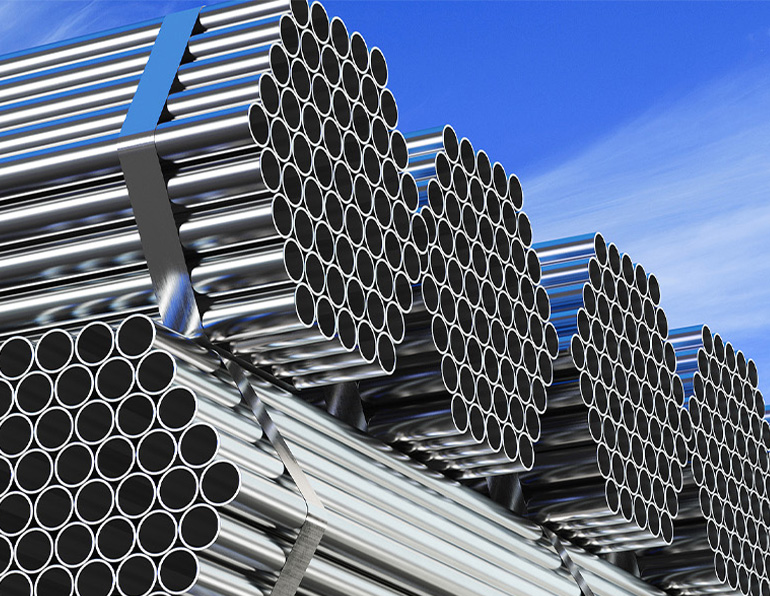
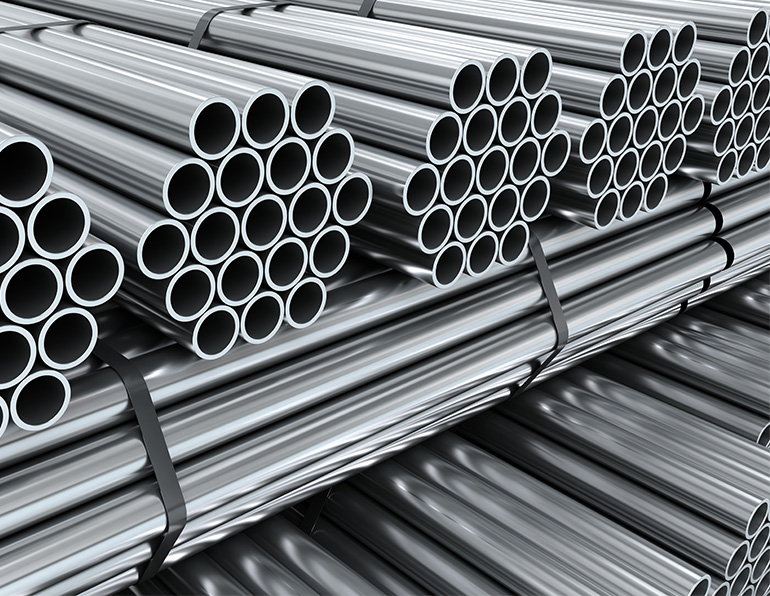
Recently, the spiral steel pipe industry, while seizing opportunities from green infrastructure projects, is also facing severe cost pressures and market challenges. The frequent and wide fluctuations in steel prices, especially hot-rolled coils, pose a significant challenge to cost control for spiral pipe manufacturers that rely on them as their main raw material, continuously squeezing their profit margins.
At the same time, downstream markets are demanding increasingly higher product quality. Large-scale engineering projects generally implement higher quality standards and a full lifecycle management approach, requiring spiral steel pipes to meet comprehensive criteria in low-temperature toughness, dimensional accuracy, welding quality, and environmentally friendly coatings. This has accelerated industry differentiation: large enterprises with stable raw material channels, advanced production lines, and strict quality control systems are gaining a clear advantage and can take on national key engineering orders; meanwhile, some small and medium-sized enterprises with outdated equipment and processes, mainly producing lower-standard products, face shrinking orders and survival pressures.
Industry experts point out that the current stage represents a profound supply-side structural adjustment in the spiral steel pipe industry. In the future, enhancing industry concentration through mergers and acquisitions and increasing technological investment to reduce costs and improve quality will be key for companies to navigate cycles and win in competition.
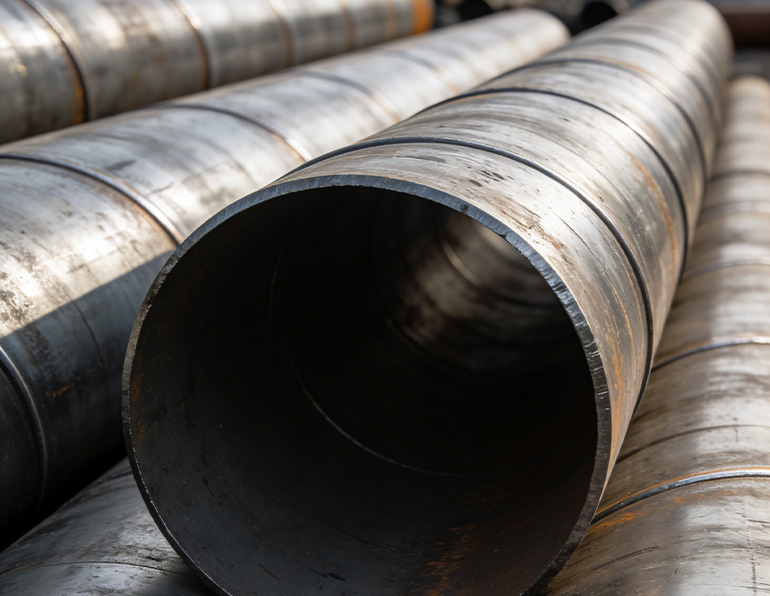
While consolidating their domestic market share, Chinese spiral steel pipe companies are actively exploring overseas markets and emerging application areas to create new growth drivers. With the continued advancement of infrastructure connectivity projects in countries along the Belt and Road, demand for large-diameter spiral steel pipes used in oil and gas transmission, port construction, and water conservancy projects remains stable. Chinese products, benefiting from mature cost-performance and engineering experience, remain competitive in international bidding.
What is even more noteworthy is the emergence of new application scenarios. On one hand, in the 'new energy' sector, spiral steel pipes are increasingly used not only in traditional wind power foundations but also in supporting structures for photovoltaic power stations and water pipelines in pumped-storage power stations. On the other hand, in the environmental protection sector, applications of spiral steel pipes in large biochemical tanks of sewage treatment plants and chimneys for waste incineration plants are becoming more mature, showcasing their versatility in industrial construction.
In response to diversified market demand, leading domestic companies are committed to providing comprehensive solutions from products to design support and are strengthening certification processes to meet high-end market standards in Europe and the United States, enhancing international competitiveness and promoting the transformation of spiral steel pipes from 'bulk construction materials' to 'high-tech, high-value-added engineering components.'
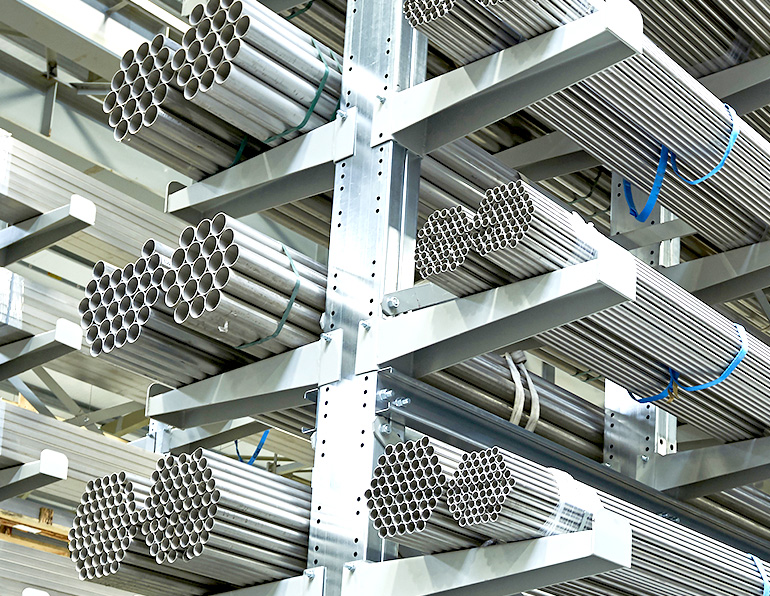
Facing intense market competition, the spiral steel pipe industry is shifting its competitiveness from scale and cost advantages to 'process innovation and technological breakthroughs.' Recently, technological advancements in improving product performance and reducing energy consumption have become the focus of the industry.
In the core process of forming and welding, the popularity of the pre-precision welding process (two-step method) has significantly increased. This process first pre-bends the steel plate and completes the inner and outer main welds, then performs finishing and pipe expansion, greatly enhancing weld quality, dimensional accuracy, and pipe end roundness, making the products better suited to high-pressure transportation and harsh environments. At the same time, intelligent technologies such as laser vision tracking and automatic ultrasonic testing (AUT) have been deeply applied in weld monitoring, achieving real-time and data-driven quality control.
Additionally, research and development of new materials for special needs is accelerating. For instance, high-toughness pipeline steel developed for low-temperature environments like the Arctic, and inner wall drag-reducing coating technology launched to reduce friction resistance and improve transportation efficiency, both represent the industry's trend toward high-end and functional development. Through these 'internal improvements,' the spiral steel pipe industry is striving to reshape product value and strengthen its irreplaceability in key engineering fields.
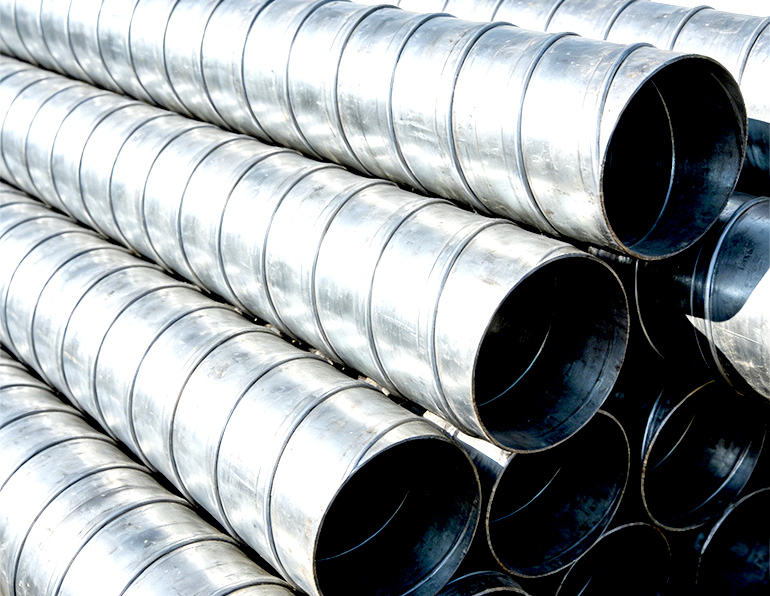
Recently, China's seamless steel pipe industry has shown a distinct trend toward high-end and green transformation. In the international market, with the recovery of global energy infrastructure construction and demand for high-end equipment manufacturing, China's exports of high-quality oil and gas pipes, ultra-supercritical power plant boiler pipes, and other high-end products remain strong, and the international competitiveness of products with high technical barriers is increasingly prominent.
Domestically, the industry's focus is on green and low-carbon production. Many leading enterprises are increasing investment in electric arc furnace short-process steelmaking, hydrogen utilization pilot projects, and intelligent transformation, aiming to reduce energy consumption and carbon emissions. Meanwhile, demand from downstream sectors such as wind power and hydrogen energy has brought new growth opportunities for high-performance seamless pipes.
However, the industry still faces challenges. Overcapacity in ordinary products persists, market competition is intense, and profit margins are under pressure. Fluctuations in raw material prices also pose challenges for enterprises in cost control. In the future, the pace of industry consolidation and elimination of outdated capacity is expected to accelerate further.
Overall, the seamless steel pipe industry is gradually moving away from a quantity-driven model, seeking new breakthroughs in high-end niche markets and sustainable development through technological innovation and green upgrading.
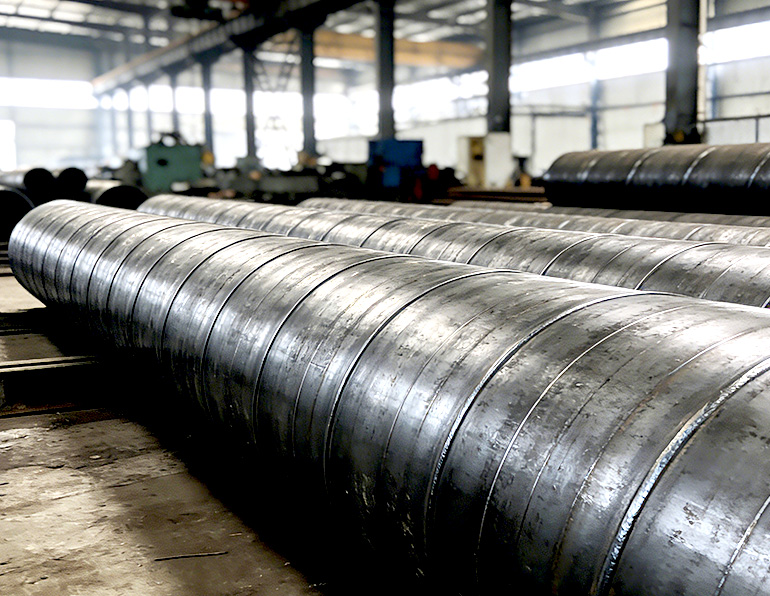
Faced with saturated demand in traditional sectors and homogeneous competition among ordinary products, the seamless steel pipe industry is undergoing intensified deep adjustments. The market is showing a clear 'polarization': leading companies with advantages in technology, brand, and channels have full order books, while small and medium-sized companies with single product lines are under immense operating pressure. Against this backdrop, mergers and acquisitions and capacity replacement are accelerating. Policies and the market are jointly driving resources toward advantaged enterprises, and some outdated capacity is being eliminated. Industry competition is shifting from a 'price war' to a 'value war' centered on quality, service, and specialized products, with increased concentration contributing to the industry's long-term healthy development.
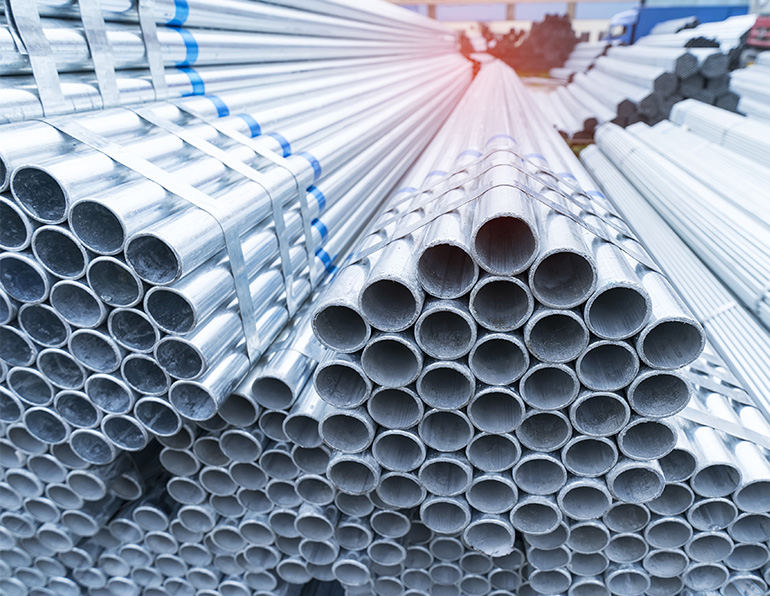
Facing the dual pressures of slowing traditional demand and overcapacity in general products, Chinese seamless steel pipe companies are abandoning the 'mass-market' mindset and turning to niche markets and differentiated competition to seek growth. The common industry strategy is to 'specialize and refine,' avoiding price wars in the low-end market.
For example, in the traditional energy sector, companies focus on developing special oil casings suitable for ultra-deep wells, shale gas, and highly corrosive environments. In the industrial sector, they target high-performance mechanical pipes, such as high-precision pipes used in hydraulic systems and bearings. Greater growth highlights come from new energy, with large-diameter tower foundation pipes for offshore wind power, pipes for hydrogen energy storage and transportation equipment, as well as pipes for solar thermal power systems becoming key areas for many companies' research and production layouts.
Industry insiders point out that the current competition in the seamless steel pipe industry has shifted from scale expansion to the comparison of technology and service capabilities. Companies that can quickly provide customized solutions according to the upgrading needs of downstream industries are gradually building new competitive moats and demonstrating stronger resilience during market adjustments.
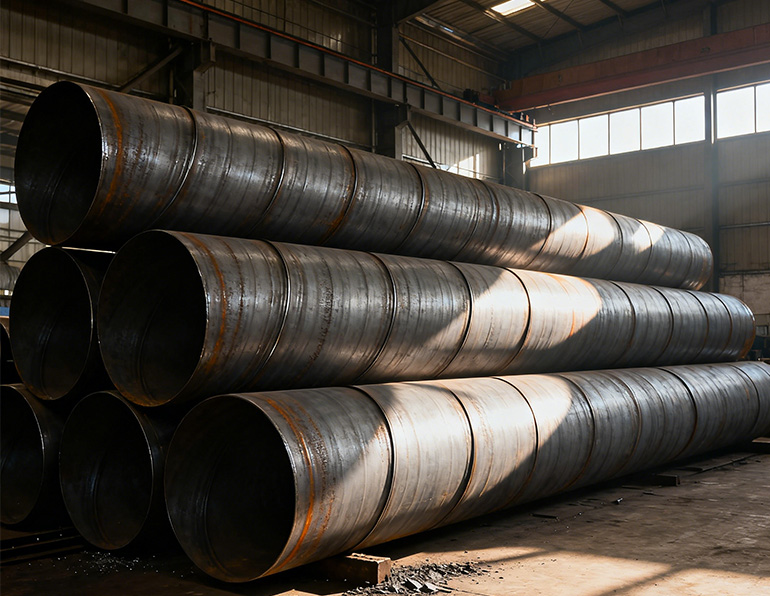
Amid the wave of digital transformation in traditional manufacturing, the 'smart manufacturing' upgrade in the seamless steel pipe industry is moving from single-point applications toward system integration. Recently, several leading companies have deployed 5G industrial internet platforms, enabling full-process data connectivity and intelligent control from steelmaking and piercing to rolling and inspection. This not only significantly improves production efficiency and product dimension accuracy but also reduces equipment failure rates through predictive maintenance based on big data, achieving cost reduction and efficiency gains.
At the same time, the collaborative advantages of industrial clusters are becoming increasingly evident. In major seamless steel pipe industrial hubs, large steel mills serve as the core, bringing together specialized pipe processing companies, heat treatment plants, R&D institutions, and logistics service providers, forming an efficient industrial chain ecosystem. This clustering effect shortens the cycle for technology transfer and product delivery, enabling regional enterprises to respond quickly to domestic and international demand for small-batch, multi-specification, high-quality customized products, significantly enhancing the overall competitiveness of the industry chain.
Driven by both the 'intelligent core' and the 'cluster ecosystem,' China's seamless steel pipe industry is strengthening the foundation for high-quality development while enhancing its stable supply capacity and brand influence in the global mid- to high-end market.